

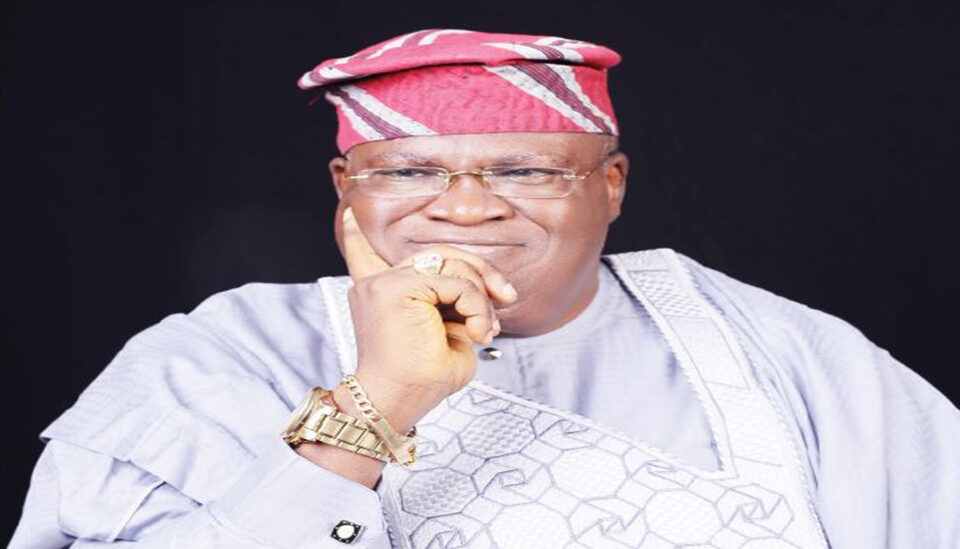
The Managing Director and Chief Executive Officer of Ultimate Health HMO, Mr. Lekan Ewenla, has identified mass enrolment in health insurance as a critical solution to Nigeria’s healthcare challenges, including the persistent brain drain of medical professionals.
In an interview, Ewenla explained that expanding health insurance coverage across the country would significantly improve access to quality healthcare, strengthen healthcare financing, and create better working conditions for doctors and nurses—thereby reducing their migration to other countries.
How Health Insurance Improves Access to Care
According to Ewenla, countries that adopted mandatory health insurance years ago now enjoy universal access to defined and quality healthcare services.
“Once enrolled in a health insurance programme, individuals can access care at their chosen healthcare facility without paying out-of-pocket,” he said, noting that about 80 percent of healthcare services are accessed at the primary care level.
He explained that the core objective of health insurance in Nigeria is to make healthcare affordable, accessible, and equitable, especially as out-of-pocket payments remain unsustainable for most Nigerians.
“Healthcare is expensive. Health insurance is designed to cross-subsidise the needs of the poor and sick with those of the rich and healthy, thereby improving Nigeria’s poor health indices,” he added.
2025: A Turning Point for Health Insurance in Nigeria
Ewenla described 2025 as a landmark year for the health insurance sub-sector, citing the Federal Government’s directive mandating all ministries, departments, and agencies (MDAs) to enrol their workers in the public sector health insurance programme.
He noted that a circular issued by the Secretary to the Government of the Federation in September 2025 clarified that even income-generating federal agencies previously using private health plans must now comply with the law.
“This directive reinforced the Health Insurance Act passed in 2022 and sent a strong signal that compliance is no longer optional,” he said.
Private Sector Also Affected
The HMO boss stressed that the directive extends beyond government institutions to the organised private sector, noting that the law mandates every employer of labour with five or more employees to enrol their workforce in a health insurance programme.
Importantly, Ewenla clarified that health insurance does not impose additional financial burdens on employers.
“Employers already pay medical allowances. Health insurance simply converts that allowance into a premium. It does not create a hole in anyone’s pocket,” he explained.
Economic and Workforce Benefits
Beyond improved healthcare access, Ewenla said mass health insurance enrolment would unlock multi-trillion-naira investments in the healthcare sector, driving infrastructure development and improving remuneration for healthcare professionals.
“The reason doctors and nurses leave Nigeria is simple—countries they migrate to have functional, mandatory health insurance systems. The same model can work here and significantly reduce brain drain,” he noted.
Key Challenges to Health Insurance Growth
Despite its benefits, Ewenla identified low awareness as the biggest obstacle to accelerated enrolment.
He called for coordinated media campaigns by the National Health Insurance Authority (NHIA), HMOs, and other stakeholders to improve public understanding of health insurance benefits.
He also highlighted the importance of the ‘One Nation, One Health’ blueprint, which proposes a uniform basic healthcare plan across all 36 states and the FCT, with government support for over 83 million vulnerable Nigerians through the Basic Health Care Provision Fund.
The Way Forward
Ewenla stressed the need for states to fully adopt and implement the basic health insurance plan, noting that private and supplementary plans should only come after universal enrolment in the basic package.
He also clarified the distinction between health insurance and healthcare delivery, explaining that health insurance involves risk pooling and financing, while healthcare refers to the actual provision of medical services.
“Health insurance is regulated exclusively by the NHIA. No state government can regulate it,” he said.
Final Thought
According to Ewenla, achieving universal health coverage through mass health insurance enrolment will not only improve healthcare outcomes but also strengthen the economy, retain skilled health workers, and reposition Nigeria’s healthcare system for long-term sustainability.